
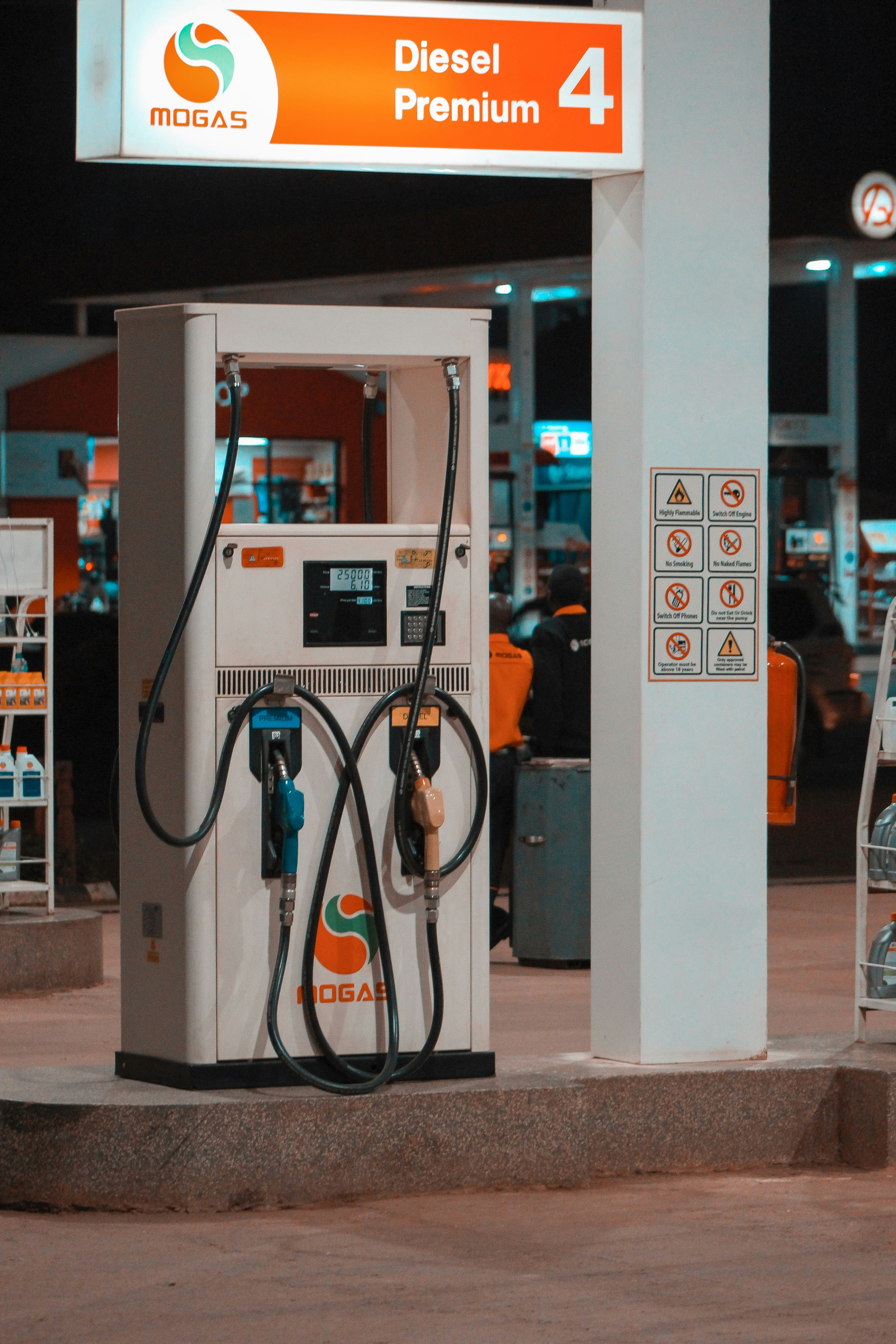
Step-by-Step Guide to Setting Up a Petrol Pump in India
Setting up a petrol pump in India is a complex venture that involves several critical steps. Entrepreneurs must approach the process methodically to ensure compliance with existing laws and regulations while also maximizing their investment opportunities. Below is a comprehensive guide detailing each stage of the setup process.
Firstly, it is imperative to conduct thorough preliminary research. This involves understanding the local demand for fuel, identifying target customers, and evaluating competitors in the area. An analysis of market trends and consumer behavior can significantly aid in making informed decisions regarding the location and services offered.
The next crucial step is selecting an appropriate site for the petrol pump. Ideal locations typically include areas with high traffic volumes, proximity to major highways, and accessibility for larger vehicles. It is essential to verify land use regulations to ensure compliance with municipal planning laws. Moreover, securing rights for land use or leasing agreements is vital to avoid legal complications later.
Once a suitable site is identified, the next step is securing financing. Potential entrepreneurs should develop a detailed business plan outlining projected costs, funding sources, and expected revenues. Engaging with financial institutions can provide insights into available loans and grants specifically catering to petrol pump establishments.
After securing funds, obtaining the necessary licenses and approvals becomes paramount. Regulatory bodies, including the Ministry of Petroleum and Natural Gas (MoPNG) and state authorities, require compliance with specific standards and documentation. Entrepreneurs should gather all requisite paperwork, including proof of land ownership, identity verification, and environmental clearances, to facilitate a smooth application process.
Each of these steps requires careful attention to detail and adherence to local regulations. Keeping abreast of the latest industry standards and seeking guidance from experts in the field can significantly enhance an entrepreneur’s chance of success in launching a petrol pump in India.
Top 10 NOCs Required for Fuel Stations in 2026
Setting up a petrol pump in India involves a multitude of regulatory compliances, one of which includes obtaining various No Objection Certificates (NOCs). These certificates are crucial in ensuring that a fuel station operates within the legal frame of the country. Here, we outline the top 10 NOCs needed to establish a fuel station in 2026, detailing their significance, the application procedure, and expected time frames for acquisition.
1. Environmental Clearance Certificate (ECC): Before initiating the setup, obtaining an ECC is essential to ensure that the location meets environmental standards. The process can take up to six months, requiring an assessment of environmental impact.
2. Fire Safety NOC: A fire safety NOC from the local fire department is crucial given the flammable nature of fuel. This certificate is typically issued after an inspection and can be acquired within two months.
3. No Objection from Pollution Control Board: This certificate ensures that the fuel station meets pollution control regulations. The timeline for obtaining it ranges from one to three months, and it often involves submitting an application with pollution management plans.
4. Land Use NOC: Securing this is crucial to confirm that the land is designated for commercial use. The time frame can vary, generally from one to three months, depending on local zoning laws.
5. NOC from the Electricity Board: This certificate ensures necessary power connections and services. Obtaining this NOC usually takes about a month.
6. Fire Licence: Required for operating public premises, this license can be sought post a thorough safety review, taking approximately one month.
7. Health and Safety NOC: This document ensures adherence to health regulations and is essential for operation. The processing time is typically around one month.
8. Building Plan Approval: Before construction, approval of the building plan by local authorities is mandatory. The approval process can vary widely but generally takes two to three months.
9. Registration with the Bureau of Indian Standards (BIS): Obtaining registration under BIS is a must for compliance with national standards, which can take about two months.
10. NOC from Local Municipal Authority: Finally, this certificate confirms adherence to local governmental regulations and can usually be secured within a month after submission of the requisite documents.
Understanding these NOCs and their respective procedures is vital for prospective fuel station owners, as this knowledge helps in ensuring smooth navigation through regulatory requirements. Compliance with these prerequisites not only facilitates legal establishment but also fosters operational efficiency in running a fuel station in India.
Petrol vs CNG Stations: Trends, Profitability, and Leading Brands in 2026
As India moves towards a more sustainable future, the fuel industry is witnessing significant shifts in consumer preferences and market dynamics. In 2026, petrol stations continue to play a substantial role in the country’s economy, but compressed natural gas (CNG) stations are steadily gaining ground, driven by increasing environmental awareness and government incentives. Leading companies like Adani and Torrent have emerged as formidable players in this evolving landscape, enhancing their market presence through strategic investments and innovative service offerings.
The profitability of petrol and CNG stations differs significantly, influenced by operational costs, pricing structures, and consumer trends. Petrol stations still dominate in traditional settings due to established infrastructure and consumer familiarity. However, CNG stations are presenting a competitive alternative, particularly in urban areas where pollution control measures are becoming increasingly stringent. The price of natural gas is generally lower than petrol, which boosts the profitability potential for CNG stations, but initial investment and infrastructure development remain the biggest challenges.
A case study on a successful petrol station setup by Sanki Designer illustrates the complexities involved in starting a fuel station. This venture benefited from comprehensive market research and consumer insights, leading to tailored services that cater specifically to local demands. Sanki Designer efficiently navigated zoning laws and partnered with reputable fuel suppliers, highlighting the importance of strategic planning in achieving operational success.
Fuel type plays a crucial role in shaping operational costs and customer preferences. While petrol is still widely used, CNG stations are appealing to environmentally conscious consumers and are likely to see expanded market share as technologies improve and public awareness rises. This shift has the potential to redefine the competitive landscape, encouraging traditional petrol station operators to innovate and adapt to changing demands in order to remain viable in the coming years.
Regulations, Future Predictions, and the Energy Transition in India
As India moves towards an increasingly dynamic energy landscape, the regulations governing fuel stations are expected to evolve significantly by 2026. Authorities are likely to introduce stricter compliance measures aimed at environmental sustainability, safety standards, and operational efficiency. This evolution will compel petrol pump operators to stay abreast of regulatory changes that not only affect operations but also the overall customer experience.
In addition to compliance with environmental standards, an important focus will be on the incorporation of way-side amenities at fuel stations. These amenities can greatly enhance customer satisfaction by providing services such as restaurants, charging stations for electric vehicles, and rest areas. The integration of such facilities is becoming a necessity rather than a luxury, as consumer expectations continue to rise alongside the proliferation of electric and hybrid vehicles on Indian roads.
The energy transition—characterized by a shift towards renewable sources and reduced reliance on fossil fuels—will further shape regulations. In 2026, fuel stations may be required to diversify their offerings to accommodate changing consumer preferences. For instance, integrating biofuels and setting up electric vehicle (EV) charging infrastructure will be pivotal as more Indians adopt EVs. This transition highlights the importance for entrants into the petrol pump market to not only understand existing regulations but also to anticipate future trends.
Insights from professionals like Sanki Designer, who has navigated the complexities of launching a fuel station, suggest that careful strategic planning is crucial. Potential operators should focus on thorough market research, engage with regulatory bodies, and consider future energy trends. Preparing for an evolving market, influenced by sustainability initiatives and changing consumer needs, will be crucial for success in the fuel station sector. By staying proactive and adaptive, new entrants can position themselves advantageously in this vital segment of India’s economy.